
by Brad Swindel
Share

A Step-by-Step Guide From Your Local Brevard County Mortgage Lender
Short answer: Self-employed borrowers in Brevard County are not limited to loans that rely on tax returns. Non-QM programs can qualify you using 12 or 24 months of bank statements, 1099 forms, a CPA-prepared profit and loss statement, your assets, or, for investment property, the rental income the property brings in. These loans follow different guidelines than conventional loans, so the right fit depends on how you earn and document your income.
The Space Coast runs on small businesses and independent work. Contractors and tradespeople, marine and boat businesses, real estate agents, consultants and 1099 workers supporting the aerospace and defense companies around Melbourne and Cape Canaveral, and owners of short-term rentals in Cocoa Beach and Satellite Beach all earn income that does not always look strong on a tax return. Write-offs that lower your tax bill can also lower the income a conventional lender is allowed to count.
That is the gap non-QM loans are designed to fill.
What Is a Non-QM Loan?
A non-QM (non-qualified mortgage) loan is a home loan that falls outside the standard “qualified mortgage” rules that most conventional and government loans follow. The lender still has to verify that you can repay the loan. The difference is in how your income is documented. Instead of relying only on two years of tax returns and W-2s, non-QM programs accept other proof of income.
Bank Statement Loans
With a bank statement loan, your income is calculated from deposits into your personal or business bank accounts, usually over the most recent 12 or 24 months. This works well for business owners whose deposits show steady cash flow but whose tax returns show a lower net income after deductions.
What to have ready:
- 12 or 24 months of complete personal or business bank statements
- Proof the business exists, such as a business license, state registration, or a letter from your CPA
- An explanation of any large or unusual deposits
1099 Income Loans
If you are paid as an independent contractor, some programs can qualify you using your 1099 forms instead of full tax returns. This is a common fit for 1099 workers in aerospace, healthcare, real estate, and the trades across Brevard County.
Profit and Loss Statement Loans
Some programs allow a business owner to qualify using a profit and loss (P&L) statement prepared or reviewed by a CPA or licensed tax preparer, sometimes paired with a few months of bank statements.
Asset-Based Loans
Borrowers with significant savings, investment, or retirement accounts may be able to qualify based on those assets rather than monthly income. This option is often used by retirees, business owners between ventures, and people whose income is irregular but whose savings are substantial.
DSCR Loans for Investment Property
A DSCR (debt service coverage ratio) loan is for buying or refinancing a rental property. Instead of your personal income, the lender looks at whether the property’s rental income covers its monthly payment, including taxes and insurance. These loans are for investment property only, not a home you will live in.
DSCR loans are popular with investors buying long-term rentals in Melbourne and Palm Bay and vacation rentals near the beaches. If you are considering a short-term rental, check the local rules first. Cocoa Beach, Satellite Beach, and other Brevard communities have their own short-term rental regulations, and some HOAs restrict rentals entirely.
How Non-QM Loans Differ From Conventional Loans
Non-QM loans give self-employed borrowers more ways to qualify, but they are not identical to conventional loans. Pricing, required down payment, credit guidelines, and reserve requirements vary by program and lender, and they are often different from a conventional loan. Some borrowers use a non-QM loan to buy now and later refinance into a conventional loan once their tax returns reflect more of their income.
Because Brad works as a broker with C2 Financial, he can compare non-QM programs from multiple lenders instead of offering a single lender’s version.
Brevard County Costs to Plan For
Whatever program you use, your payment on the Space Coast includes more than principal and interest. Homeowners insurance, flood insurance in some zones, wind mitigation credits, and Brevard County property taxes all affect what you can afford. See what affects your monthly mortgage payment in Brevard County.
Common Questions
Can I get a mortgage if my tax returns show low income?
Often, yes. Bank statement, 1099, P&L, and asset-based programs qualify you using other documentation, so write-offs on your tax return do not have to limit what you can borrow.
How long do I need to be self-employed?
Many programs look for about two years of self-employment history, and some allow less with prior experience in the same line of work. Requirements vary by program.
Can I use a DSCR loan for the home I live in?
No. DSCR loans are for investment property only. If you are buying a primary residence, a bank statement, 1099, P&L, or conventional loan is the place to start.
Related Guides
- 5 Things Every First-Time Homebuyer in Melbourne, FL Should Know
- VA Home Loans in Brevard County
- What Affects Your Monthly Mortgage Payment in Brevard County
Talk With a Local Loan Originator
If you are self-employed and not sure which program fits, contact Brad or review his Non-QM loans for self-employed borrowers.
Brad Swindel, Senior Mortgage Loan Originator, NMLS #2609218, FL License LO129996. C2 Financial Corporation, NMLS #135622, FL License MBR3519. This article is general information, not a commitment to lend. All loans subject to credit approval and program guidelines.
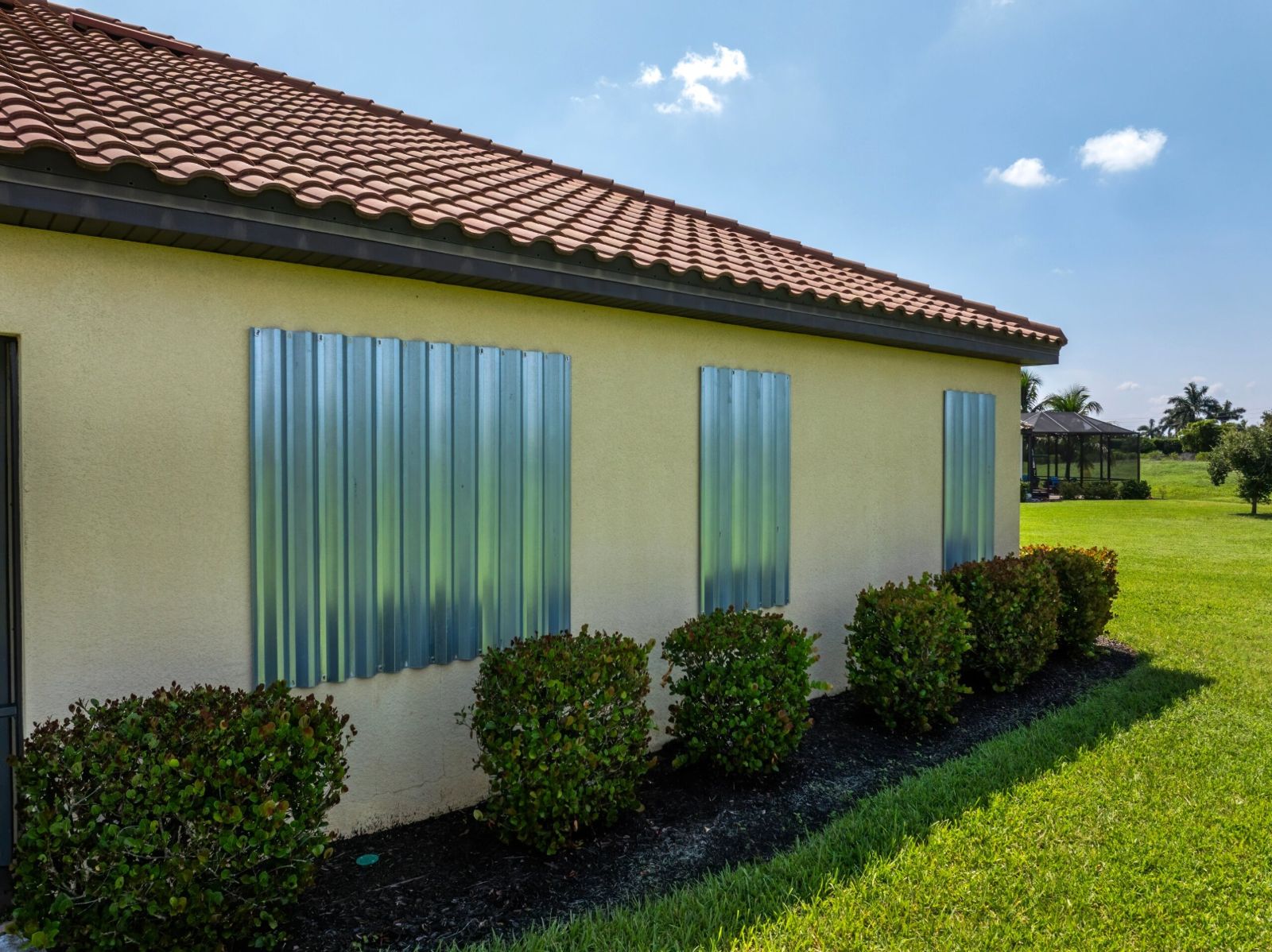
Homeowners insurance, flood insurance, property taxes, and HOA fees all shape your real monthly payment on the Space Coast. Here is what moves each one.

How VA home loans work for veterans and service members buying in Melbourne, Palm Bay, Satellite Beach, and across Brevard County.

The five things first-time buyers in Melbourne and Brevard County should understand before applying for a home loan, from pre-approval to closing costs.


